
As a certified project management profession (PMP), I have learned that good management of stakeholders is one of the most important parts of running a successful project. When you take the time to get in touch with your stakeholders quickly, you make sure everyone understands their role, level of influence and how they contribute to a big goal.
A clear organization helps to facilitate even communication throughout the group. It also creates trust, promotes teamwork and makes it easier to meet challenges with creative ideas. Strong stakeholder engagement to bets is not just about updates; It’s all about involving everyone and combining the entire project.
In this guide I want to share practical methods. The project manager can make a strong plan for managing stakeholders. These strategies will help you work with internal and external stakeholders from the beginning of a project to complete, and ensure collaboration and better results at each stage.
What Are Stakeholder Management Skills?
Skills for stakeholder management help people gather the different needs of people, such as community members, government officials, business partners and customers. For example, imagine a project manager in the clean energy sector that works at a new wind farm. The project needs support from local authorities, environmental groups, developers and people nearby.
The project manager uses stakeholder skills to explain the benefits of the project for society and the government, so that they agree and support it. At the same time, they talk to environmental agencies to ensure that all rules are followed. The manager also makes a clear plan and provides updates so that the building team knows what to do and works in the right direction. By handling all sides well, the manager completes the project on time and successfully. This shows why stakeholder management is so important in projects like renewable energy.
Is Stakeholder Management Important?
Having a clear plan for stakeholder management plays a big role in the successful completion of any project because it:
Ensures that each stakeholder knows what their role is and what tasks they need to perform.
Sets clear expectations for how to work with the project team and what progress to expect. This keeps the project on track and helps to avoid problems or conflicts before they occur.
Creates a clear path for how the project will proceed and how updates will be shared.
Gives stakeholders the opportunity to share their opinions and holds everyone accountable. This creates better teamwork and helps the project reach good results.
Any plan created by project managers should cover all the ways to work with stakeholders. At the same time, the plan should be simple enough that everyone involved can easily read and understand it.
How to Improve Your Stakeholder Management Skills
If you follow a few simple steps, you can develop your stakeholder management skills. With the right approach and tools, you will be able to understand what is important to your stakeholders and handle projects better.
1. Do a Stakeholder Analysis
It’s easy to list stakeholders, but studying them really helps. Stakeholder analysis means examining their interests, influence, and impact on your project. Here are some ways to do it:
- Multi-dimensional mapping: Mark them as low, medium, or high on things like power, interest, effort, and influence.
- Sentiment and issues analysis: Watch their conversations and comments to find out what they care about and what they consider good or bad.
- Salience model: Focus on urgency, power, and legitimacy.
- Knowledge chart: Place them through awareness and support.
- Power/Interest Grid: Sort them by power and interest.
- Power-Predictability Matrix: Group them by power and predictability.
This step helps you plan better, build trust, and talk to the right people in the right way.
2. Use Stakeholder Tools
Skills are useful, but tools make your job easier. A stakeholder relationship management (SRM) tool like Simply Stakeholder helps you record details, map people, and prepare reports.
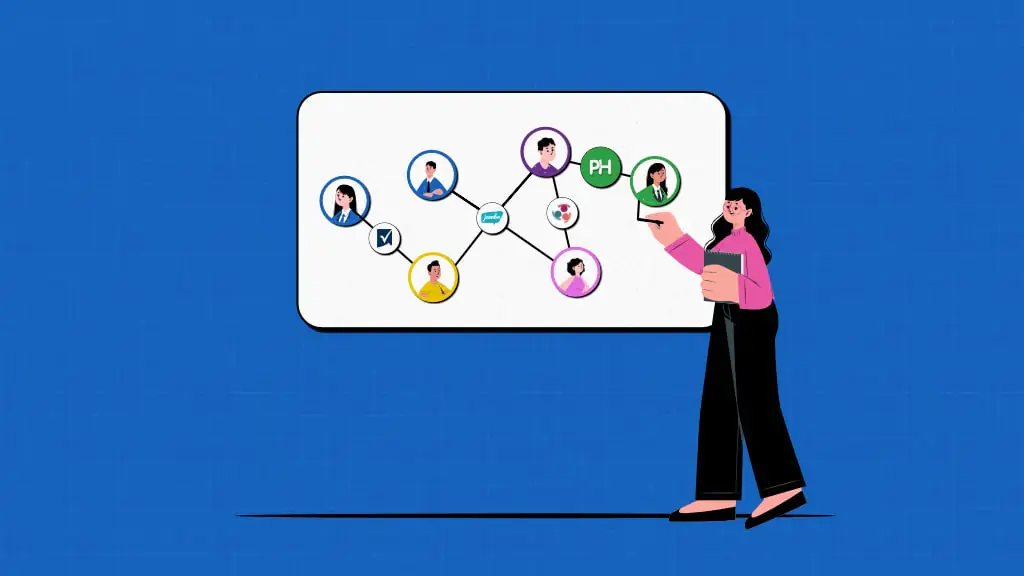
Simple maps can also guide you. They show you how to connect with people, identify risks, group them for engagement, and track results over time. You can try mapping methods like multi-dimensional mapping, saliency models, relationship network mapping, or power/interest grids.
3. Talk to Stakeholders Early
It’s always a good idea to involve stakeholders early. Doing this gives you:
- Clearer understanding: Share project details while understanding their concerns.
- Better relationships: More time to build trust.
- Risk management: Find problems quickly and fix them early.
- Flexibility: Change plans before things get out of hand.
- Alignment: Match goals to their needs.
- Less conflict: Resolve problems before the project starts.
4. Improve Emotional Intelligence
Emotional intelligence is knowing your emotions and understanding others. It helps you stay calm, avoid conflict, and respond appropriately. Work on it:
- Self-awareness: Pay attention to your own emotions and weaknesses.
- Self-control: Pause and think before reacting.
- Awareness of others: Watch body language and tone.
- Empathy: Understand how choices affect people and care about them.
5. Learn About Cultures
Culture plays a big role in projects. When you respect cultures, you build stronger bonds. You can do this by:
- Listening: Hear what people have to say.
- Immersion: Spend time with diverse groups.
- Curiosity: Ask questions politely and don’t make assumptions.
6. Keep Learning New Skills
Good stakeholder managers never stop learning. New methods and tools are constantly emerging. You can develop by taking courses, workshops, joining online groups, or watching webinars.
7. Ask for feedback
Feedback shows you what went well and what needs to be worked on. You can get it by:
- Surveys and groups: Ask stakeholders directly.
- Notes: Review calls, meetings, and messages.
- Data: View reports to see what worked.
- Communities: Join groups of professionals to learn.
- Mentors: Talk to an experienced person for advice.