
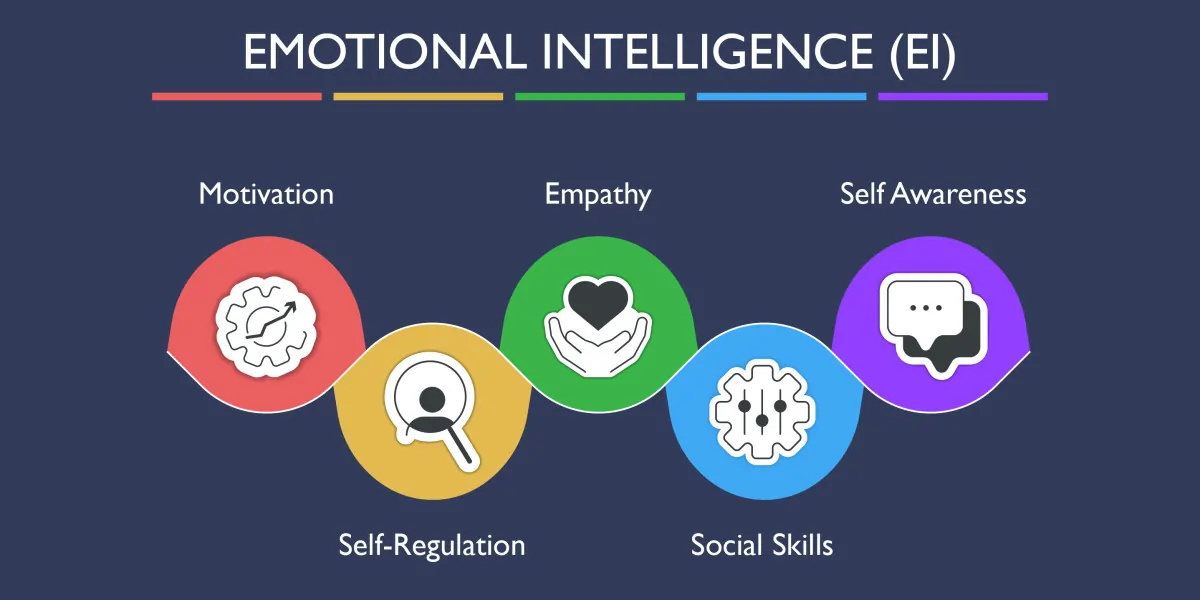
There are two main parts to emotional intelligence. On the one hand, it refers to the ability to manage your own emotions appropriately. On the other hand, emotional intelligence helps you understand the emotions of those around you.
So, what does self-awareness mean in emotional intelligence? The clear answer is that self -awareness helps you handle your feelings and see what you feel and why you feel them. This will be an important step in building and maintaining strong personal and business conditions. Simply put, self-awareness is part of a very emotional intelligence picture.
What Is Internal Self-Awareness?
This means the ability to recognize your own thoughts, feelings and feelings and see how they shape your tasks.
This type of self-awareness helps you see the pattern and receives a clear view about the reasons that run your behavior.
As you develop internal self-awareness, you begin to understand the relationship between your feelings and decisions. This allows you to see why you react in some ways and how these reactions affect your conditions and daily options.
It also gives you the power to manage your feelings, rather than control them. Knowing about your internal state, you can calmly and thoughtfully rather than reacting without thinking.
Strong internal self-awareness creates personal development. This helps you to create confidence, improve your habits and get closer to the goals that you really give importance to.
What Is Emotional Intelligence?
Emotional intelligence is the ability to identify and manage your own emotions, as well as the ability to understand and respond appropriately to the emotions of others. It can positively improve both personal and work relationships. It can also help reduce your own stress. The free test and related practices aim to:
Improve your awareness of emotions
Reduce your stress
Have a positive impact on those around you
Strengthen your communication skills
Build healthy personal and professional relationships
Increase your ability to manage conflict
Increase your confidence and decision-making power
What Are The Signs of Emotional Intelligence?
Emotional intelligence is a combination of abilities and habits that you can learn and improve over time. Below are some clear signs of people with low EQ and people with high EQ.
People with low EQ:
- Get easily irritated or angry
- Struggle to control intense emotions
- Have difficulty being confident and assertive
- Often feel like others don’t understand them
People with high EQ:
- Remain calm and composed when faced with pressure
- Three Steps to Building Emotional Intelligence
- Recognize how their emotions are connected to their actions
- Encourage others and guide them toward a common goal
- Deal with difficult people using patience and respect
3 Steps to Strengthen Emotional Intelligence
Building emotional intelligence takes time and practice. The route looks different for all, but Andrews suggests that the following stages can guide you to strong self-awareness, sympathy and relationship skills.
1. Identify And Label Your Emotions
What emotions are you currently experiencing? Can you clearly name them? In stressful moments, what emotions typically appear? How do you react when these situations arise? Do you pause for a moment to think before you react? Taking the time to recognize your emotions and regulate your reactions is a key step in developing EI.
2. Get Feedback From Others
Ask leaders, colleagues, friends or family and explore your self-determination how they see your emotional intelligence. For example, ask about your behavior in difficult situations, how flexible or sensible you look, and how to handle the conflict. Their answers may not always match your expectations, but they will often give you honest insight.
3. Read Stories And Novels
Research suggests that reading books with rich, layered characters can increase sympathy. Searching for stories through other people’s eyes can help you understand their thoughts, causes and actions, which can speed up your social awareness.
Is Low Self-Awareness a Problem?
Yes it can be. Low self-awareness often faces challenges in decision making, flexibility, communication and other areas of life.
Emotional intelligence, especially supports self-awareness, development and personal development.
However, focusing too much on internal or external self-awareness can cause problems. For example, with strong internal self-awareness, you can be so confident in your own thoughts that you refuse to accept the response.
On the other hand, if you rely too much on external self-awareness, you can try to please all your energy and ignore your needs. The key is to find the right balance.
Why Emotional Intelligence Skills Are Important
Strong emotional intelligence skills can bring many positive changes to a person’s life. People with this skill can remain calm in difficult moments. They know how to face even uncomfortable social situations with confidence and how to make other people feel comfortable.
Some of the major benefits of developing emotional intelligence skills include an increase in these areas:
Leadership: Emotional intelligence helps you become a strong and more effective leader.
Self-Awareness: Knowing what your emotions are gives you a deeper understanding of yourself.
Communication: When you understand the emotions of other people, you can connect and communicate more clearly to them.
Stress Management: Managing your emotions wisely can help you feel more in control in stressful or conflicting situations.
Self-Control: It makes it easier to strengthen your self-control by recognizing your feelings.
Emotional intelligence also improves your ability to sympathize with others. This skill plays a big role in building and maintaining meaningful relationships. Building strong bonds helps you to create an auxiliary social circle, which is essential for both mental and physical welfare.
Build Your Emotional Intelligence With Us
In travel, tourism and hospitality, customer service relies on emotional intelligence. At the Passionate Customer Service, we help professionals improve self-awareness, communication and service skills through two-day practical workshops.
Led by Shishir Nargundkar, who has over 40 years of industry experience, our training will help you:
- Deliver excellent customer service
- Handle stress and conflict calmly
- Lead and coach teams effectively
- Upcoming Workshops: [ January 24 & 25 2026 – February 7 & 8 2026 ]
- Fees: [275$ Per Person inclusive of lunch, tea and coffee ]
👉 Book Your Seat Now
Take a step towards strong emotional intelligence and customer service success!